
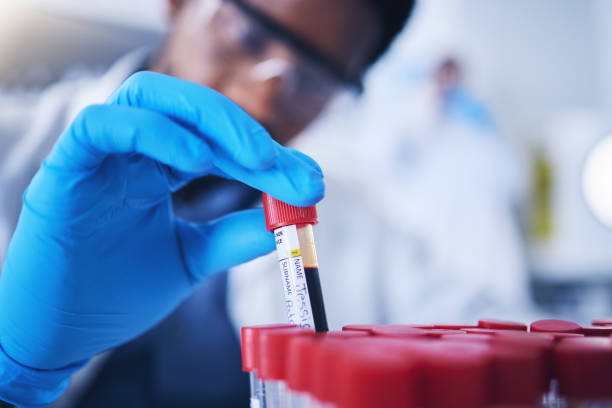
DNA testing has become much more accessible over the years. What was once mostly associated with forensic investigations and specialised medical facilities is now used for things like parentage testing, genetic health testing, ancestry research, and identifying inherited genetic conditions.
But DNA testing is more than simply collecting a sample and getting a result. Different DNA tests answer different questions, use different methods, and have different levels of accuracy and interpretation.
Whether you're considering a paternity test, trying to understand your family history, or have been referred for genetic testing, knowing what to expect can make the process much easier.
In this guide, we'll explain what DNA testing is, the major types of DNA tests, how samples are collected, how the testing process works, and what your results can and cannot tell you.
If you're looking for laboratory testing services, you can explore available tests through AllAnalysis.
What Is DNA?
DNA, short for deoxyribonucleic acid, is the genetic material that carries biological instructions used by your body.
DNA is found in almost every cell in the human body.
It contains information that helps determine characteristics such as:
- Eye colour
- Hair characteristics
- Some physical traits
- Blood group
- Biological sex
- Certain inherited characteristics
DNA is passed from biological parents to their children, which is what makes DNA testing useful for establishing biological relationships.
What Is DNA Testing?
DNA testing is the process of analysing a person's genetic material to look for specific genetic information.
Depending on the type of test, a laboratory may examine particular regions of DNA to determine whether individuals are biologically related, identify genetic variants, or compare genetic profiles.
The test required depends entirely on the question you want answered.
A paternity test, for example, is very different from a genetic test for an inherited medical condition.
What Can DNA Testing Be Used For?
DNA testing has many applications.
Some of the most common include:
Paternity Testing
Paternity testing compares DNA from a child and an alleged biological father to determine whether there is a biological relationship.
Other Relationship Testing
DNA testing can also be used to investigate relationships between:
- Siblings
- Grandparents and grandchildren
- Aunts or uncles and nieces or nephews
- Other biological relatives
Genetic Health Testing
Some DNA tests look for genetic variants associated with inherited conditions or increased susceptibility to certain diseases.
Carrier Testing
Carrier screening can determine whether a person carries certain genetic variants that could potentially be passed to their children.
Prenatal Genetic Testing
Certain genetic tests can be performed during pregnancy to assess specific genetic conditions.
Ancestry Testing
Some consumer DNA tests analyse genetic markers to estimate ancestry and identify genetic similarities with populations or relatives.
Forensic DNA Testing
DNA profiling can be used by authorised forensic laboratories to compare biological samples in criminal investigations and other legal circumstances.
How Does a DNA Test Work?
The basic process is relatively straightforward.
1. Sample Collection
A biological sample is collected from the person being tested.
A cheek swab is commonly used for many DNA tests because it is simple and non-invasive.
Depending on the test, other samples may include:
- Blood
- Saliva
- Hair containing the root
- Tissue
- Other biological materials
The laboratory will specify which sample is required.
2. Sample Identification
The sample must be correctly labelled and linked to the appropriate individual.
This is particularly important for legal DNA testing, where maintaining the identity and integrity of each sample is essential.
3. DNA Extraction
The laboratory separates DNA from the cells contained in the sample.
4. DNA Analysis
Specialised laboratory techniques are then used to analyse selected regions of the DNA.
The exact method depends on the purpose of the test.
5. Results Interpretation
The laboratory analyses the findings and produces a report based on the type of test requested.
What Sample Is Used for DNA Testing?
A buccal swab, commonly called a cheek swab, is one of the most frequently used samples.
A healthcare professional or trained collector gently rubs a sterile swab against the inside of the cheek to collect cells.
The process is generally quick and painless.
Some DNA tests require blood or another type of biological sample, so you should always follow the laboratory's collection instructions.
Does DNA Testing Hurt?
Most DNA tests do not hurt.
When a cheek swab is used, the sample is collected from inside the mouth without needles.
Blood-based DNA testing involves a standard blood draw, which may cause a brief pinch or discomfort.
The sample collection method depends on the particular test being performed.
How Accurate Is DNA Testing?
The accuracy of DNA testing depends on what is being tested, the laboratory method used, sample quality, and how the results are interpreted.
For relationship testing such as paternity testing, laboratories analyse multiple genetic markers to determine whether the tested individuals are biologically related.
A properly performed paternity test can provide a very high probability of paternity when the tested man is the biological father.
However, no laboratory test should be interpreted without considering the test's purpose and methodology.
What Is a DNA Profile?
A DNA profile is a collection of genetic characteristics obtained by analysing specific regions of a person's DNA.
In relationship testing, laboratories compare profiles between individuals.
Because children inherit genetic material from both biological parents, their DNA profile contains characteristics inherited from their mother and biological father.
This allows laboratories to determine whether the genetic evidence supports a biological relationship.
What Is a Paternity DNA Test?
A paternity test is designed to determine whether a particular man is the biological father of a child.
The test commonly involves samples from:
- The child
- The alleged father
Including the child's mother can sometimes provide additional information, depending on the testing circumstances.
The laboratory compares genetic markers from the individuals involved.
If the genetic evidence is inconsistent with biological paternity, the alleged father can be excluded.
If the evidence strongly supports biological paternity, the laboratory reports a very high probability of paternity.
What Is the Difference Between Legal and Non-Legal DNA Testing?
This distinction is extremely important.
A non-legal or peace-of-mind DNA test is generally performed for personal information.
A legal DNA test follows specific procedures for sample collection, identification, documentation, and chain of custody.
This is necessary when the result may be used for purposes such as:
- Court proceedings
- Immigration applications
- Child custody matters
- Inheritance disputes
- Official documentation
If you need a DNA test for legal purposes, make sure you specifically request a legal DNA test and use a laboratory or testing provider that follows the appropriate procedures.
Can DNA Testing Be Done During Pregnancy?
Yes, certain types of prenatal genetic testing can be performed during pregnancy.
However, prenatal testing varies considerably.
Some tests are screening tests, which estimate the likelihood of certain genetic or chromosomal conditions.
Other tests are diagnostic tests, which can provide more definitive information about particular conditions.
The type of sample and timing depend on the test.
Anyone considering prenatal genetic testing should discuss the available options with a qualified healthcare professional.
Can DNA Testing Determine a Baby's Biological Father During Pregnancy?
There are prenatal paternity testing options that can analyse fetal DNA circulating in the mother's blood.
However, prenatal paternity testing is more specialised than a standard cheek-swab paternity test.
The appropriate method depends on the pregnancy, the laboratory, and whether the result is needed for personal or legal purposes.
If the result may be used legally, the testing process must meet the relevant legal and chain-of-custody requirements.
Can DNA Testing Reveal Genetic Diseases?
Some DNA tests can identify genetic variants associated with inherited diseases or health conditions.
However, this does not mean that every DNA test can diagnose disease.
A genetic health test may be designed to:
- Confirm a suspected genetic condition.
- Identify whether someone carries a particular variant.
- Estimate genetic risk.
- Help explain certain medical symptoms.
- Guide further medical investigation.
Genetic test results should be interpreted alongside your medical history and, when appropriate, by a qualified healthcare professional or genetic counsellor.
What Is Carrier Testing?
Carrier testing looks for genetic variants that may not cause significant symptoms in the person being tested but could potentially be passed to their children.
For example, a person may carry a variant associated with an inherited condition without having the condition themselves.
If both biological parents carry certain variants associated with the same recessive condition, there may be an increased chance of passing the condition to a child.
Carrier testing can therefore be useful for some people who are planning a family.
Can DNA Testing Tell You Your Ancestry?
Some consumer DNA tests analyse genetic markers to estimate ancestry.
They may compare your DNA with reference populations and identify genetic similarities with different geographical regions or populations.
However, ancestry estimates are statistical estimates, not absolute statements about your identity or exact family history.
Different companies may produce somewhat different ancestry estimates because they use different reference databases and methods.
Can DNA Testing Find Relatives?
Some ancestry-focused DNA services allow users to compare their genetic profiles with other people who have voluntarily participated in the same database.
This can sometimes identify potential biological relatives.
The accuracy and usefulness of these matches depend on factors such as:
- The size of the database.
- How closely related the individuals are.
- The quality of the genetic data.
- Whether relatives have tested with the same service.
Unexpected family relationships can sometimes be discovered through these services, so users should consider the potential emotional and privacy implications before testing.
How Long Does DNA Testing Take?
The turnaround time depends on the type of DNA test and the laboratory performing it.
Simple relationship tests may be completed relatively quickly, while specialised genetic testing can take longer.
Factors that can affect turnaround time include:
- Type of test.
- Sample quality.
- Number of people tested.
- Laboratory workload.
- Need for additional testing.
- Whether the test is legal or non-legal.
Always ask the laboratory for the expected turnaround time before submitting your sample.
Does DNA Testing Require a Doctor's Referral?
Not always.
Some DNA tests, particularly relationship or ancestry tests, can be requested directly.
However, certain medical genetic tests may require a healthcare professional's referral, consultation, or interpretation.
If a DNA test is being considered because of symptoms, family history, pregnancy, or suspected inherited disease, it is best to discuss the test with a qualified healthcare professional.
Can DNA Results Be Wrong?
DNA testing is highly reliable when performed correctly, but no testing process should be treated as completely immune to error.
Potential problems can include:
- Poor-quality samples.
- Contamination.
- Incorrect sample identification.
- Collection errors.
- Laboratory errors.
- Misinterpretation of results.
Reputable laboratories use procedures designed to minimise these risks.
For legal testing, strict sample identification and chain-of-custody procedures are especially important.
What Does a DNA Test Result Mean?
The meaning of your result depends entirely on the type of test.
For a paternity test, the report may indicate whether the alleged father is excluded or provide a probability of paternity.
For a genetic health test, the result may identify a particular genetic variant.
For ancestry testing, the result may provide estimated ancestry percentages or genetic matches.
Because different tests have different purposes, you should always read the report in the context of the specific test performed.
Can a DNA Test Tell You Everything About Your Health?
No.
Your DNA is an important part of your biology, but it is not your entire health story.
Health is influenced by many factors, including:
- Genetics.
- Diet.
- Physical activity.
- Environment.
- Age.
- Lifestyle.
- Infections.
- Medical conditions.
- Access to healthcare.
Even when a genetic variant is associated with a particular condition, it does not necessarily mean that a person will develop that condition.
This is why genetic results should be interpreted carefully rather than treated as a prediction of your entire future health.
Is DNA Testing Private?
DNA contains highly personal biological information, so privacy is an important consideration.
Before submitting your sample, find out:
- Who will have access to your results.
- How your sample will be stored.
- Whether your sample will be destroyed after testing.
- Whether your genetic information may be used for research.
- Whether your information may be shared with third parties.
- How long your data will be retained.
These considerations are particularly important with direct-to-consumer genetic testing services.
Always review the laboratory or testing provider's privacy policy before submitting a sample.
What Should You Consider Before Taking a DNA Test?
Before ordering a DNA test, ask yourself what question you actually want the test to answer.
Consider:
What type of test do I need?
A paternity test, ancestry test, and genetic health test are completely different.
Do I need the result for legal purposes?
If yes, make sure the test follows the required chain-of-custody procedures.
How will I interpret the result?
Medical genetic results may require professional interpretation.
What happens to my DNA after testing?
Understand the provider's storage and privacy policies.
What will I do with the result?
It's worth considering the possible emotional, medical, or legal consequences before testing.
Why Choosing the Right Laboratory Matters
Not all DNA tests are designed for the same purpose.
A reliable testing provider should have appropriate laboratory procedures, trained personnel, accurate sample identification, and clear reporting.
For medical or relationship testing, the quality of the laboratory and the testing method can be just as important as the test itself.
If you're exploring laboratory testing options, browse the tests available through AllAnalysis.
Frequently Asked Questions
Is DNA testing painful?
Most DNA tests use a cheek swab and are painless. Tests requiring blood samples involve a standard blood draw.
Can DNA testing determine paternity?
Yes. Paternity testing compares genetic markers from a child and an alleged father to determine whether the genetic evidence supports a biological relationship.
Can DNA testing be done before birth?
Yes. Certain prenatal genetic and paternity tests can be performed during pregnancy, although the methods and requirements differ from standard postnatal testing.
Is a DNA test 100% accurate?
DNA testing can be extremely accurate when performed correctly, but the exact level of accuracy depends on the type of test, methodology, sample quality, and interpretation.
How long does a DNA test take?
Turnaround time varies depending on the test and laboratory. Simple tests may be completed relatively quickly, while specialised genetic tests can take longer.
Can a DNA test determine my blood group?
Some genetic tests can predict certain blood group characteristics, but a standard blood group test is the appropriate way to directly determine your ABO and Rh blood group.
Can DNA testing tell me if I will develop a disease?
Not necessarily. Some genetic tests identify variants associated with an increased risk of particular conditions, but genetic risk does not always mean that a person will develop the condition.
Can DNA testing identify relatives?
Yes. Relationship and ancestry testing can identify potential biological relationships by comparing genetic profiles.
Do I need a doctor to request a DNA test?
It depends on the type of test. Some relationship and ancestry tests can be requested directly, while certain medical genetic tests may require healthcare professional involvement.
Final Thoughts
DNA testing has become an important tool in modern healthcare, family research, relationship testing, and forensic science.
Whether you're trying to establish biological paternity, investigate a genetic condition, understand your ancestry, or identify potential relatives, the most important step is choosing the right type of DNA test for the question you want answered.
Remember that a DNA test doesn't automatically tell you everything about your health, family history, or future. The result needs to be interpreted according to the purpose of the test and, for medical genetic testing, sometimes with the help of a qualified healthcare professional.
If you're considering laboratory testing, explore the available tests through AllAnalysis.
For more practical explanations of laboratory tests, medical testing, and health topics, explore the AllAnalysis laboratory health library. You can also follow AllAnalysis on Instagram and X for more laboratory and health information, or watch AllAnalysis on YouTube for educational videos.
