
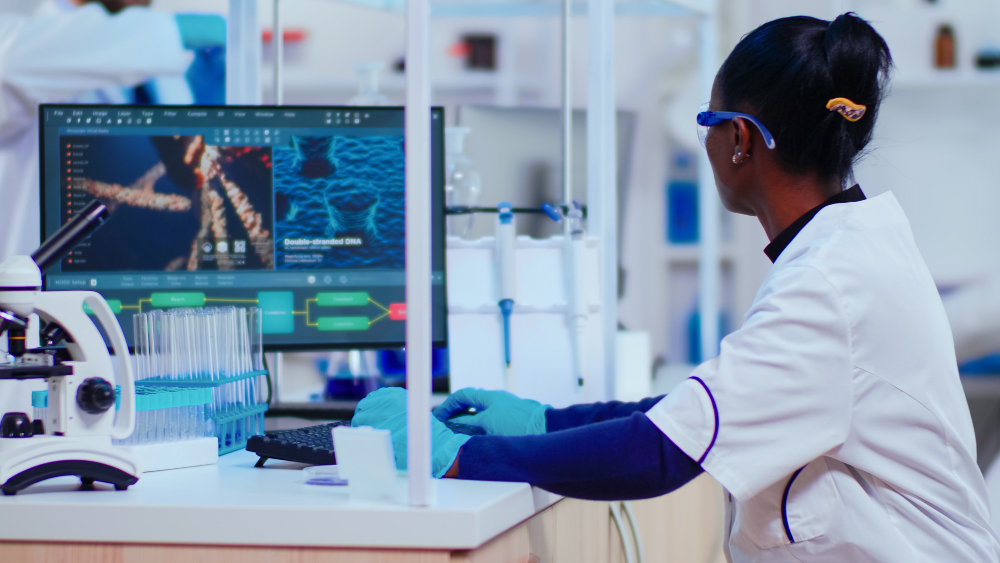
Urinalysis is one of the most common and valuable laboratory tests used in healthcare. It involves analyzing a urine sample to evaluate different aspects of a person's health, including kidney function, urinary tract health, hydration status, and signs of certain diseases.
Although urine is a waste product, it contains important information about what is happening inside the body. Changes in urine composition can provide early clues about infections, metabolic disorders, kidney problems, and other health conditions.
Doctors often request urinalysis during routine health screenings, when investigating symptoms, or when monitoring existing medical conditions. Because it is simple, non-invasive, and informative, urinalysis remains an essential tool in modern medicine.
What Is Urinalysis?
Urinalysis is a laboratory examination that evaluates the physical, chemical, and microscopic properties of urine.
During a urinalysis, laboratory professionals analyze a urine sample to detect substances that may indicate normal or abnormal body processes.
A urinalysis may examine:
- Urine color and appearance.
- Chemical composition.
- Cells and microorganisms.
- Proteins.
- Glucose.
- Blood.
- Crystals.
- Other substances.
The results help healthcare providers understand how the kidneys and urinary system are functioning and identify possible health concerns.
Why Is Urinalysis Important?
Urinalysis provides valuable information that may not be detected through symptoms alone. It helps healthcare professionals identify changes in the body and determine whether further testing or treatment is needed.
Urinalysis can help:
- Detect urinary tract infections.
- Assess kidney health.
- Identify signs of diabetes.
- Monitor certain medical conditions.
- Detect dehydration.
- Investigate unexplained symptoms.
- Support routine health screening.
Need professional urinalysis or other diagnostic testing? Explore our complete laboratory testing services to find reliable testing solutions for your healthcare needs.
What Does a Urinalysis Test Check?
A complete urinalysis usually involves three major types of examination:
1. Physical Examination
The physical examination evaluates the visible characteristics of urine.
Laboratory professionals check:
Color
Normal urine is usually pale yellow to deep yellow depending on hydration levels. Changes in color may occur due to:
- Dehydration.
- Certain foods.
- Medications.
- Medical conditions.
Appearance
Urine may appear:
- Clear.
- Cloudy.
- Foamy.
Cloudy or unusual-looking urine may sometimes indicate the presence of cells, bacteria, crystals, or other substances.
Odor
Changes in urine smell may occur due to diet, dehydration, infections, or certain medical conditions.
2. Chemical Examination
Chemical analysis uses special testing strips to detect substances present in urine.
Common chemical tests include:
Protein Test
Normally, urine contains little or no protein. Increased protein levels may indicate possible kidney problems or other conditions requiring evaluation.
Glucose Test
Glucose in urine may be associated with elevated blood sugar levels and may require further diabetes testing.
Blood Test
Blood in urine (hematuria) may occur due to various causes, including infections, kidney stones, or other urinary conditions.
Ketone Test
Ketones may appear when the body breaks down fat for energy. They can be associated with fasting, certain diets, or diabetes-related conditions.
pH Test
Urine pH measures how acidic or alkaline the urine is. This information can provide clues about metabolic conditions and kidney function.
Nitrite and Leukocyte Esterase Tests
These markers can suggest the presence of bacteria or white blood cells, which may indicate a urinary tract infection.
3. Microscopic Examination
Microscopic analysis involves examining urine under a microscope to identify tiny structures.
Laboratory professionals may look for:
- Red blood cells.
- White blood cells.
- Bacteria.
- Crystals.
- Casts.
- Yeast cells.
These findings provide additional information about urinary health.
Common Reasons Doctors Request Urinalysis
1. Detecting Urinary Tract Infections (UTIs)
Urinalysis is commonly used to investigate urinary tract infections.
Signs that may suggest a UTI include:
- Pain during urination.
- Frequent urination.
- Lower abdominal discomfort.
- Strong-smelling urine.
- Cloudy urine.
Urinalysis helps identify signs of infection and determine whether additional testing is required.
2. Checking Kidney Function
The kidneys filter waste from the blood and remove it through urine. Changes in urine composition may indicate kidney-related concerns.
Urinalysis can help detect:
- Protein leakage.
- Blood in urine.
- Other abnormal substances.
Early detection of kidney problems allows for timely medical attention.
3. Monitoring Diabetes
Diabetes affects how the body processes glucose. Urinalysis may help identify glucose or ketones in urine, which can provide additional information about metabolic health.
4. Routine Health Screening
Doctors may include urinalysis as part of routine health assessments to identify hidden health problems before symptoms appear.
Regular screening can help detect:
- Kidney abnormalities.
- Infections.
- Metabolic changes.
5. Investigating Symptoms
Doctors may request urinalysis when patients experience:
- Back or side pain.
- Changes in urination.
- Blood in urine.
- Unusual urine appearance.
- Persistent discomfort.
The results help guide further diagnosis.
How to Prepare for a Urinalysis
Proper preparation helps ensure accurate results.
Before providing a urine sample:
- Follow instructions provided by your healthcare provider or laboratory.
- Use the correct sample container.
- Avoid contaminating the sample.
- Provide the sample as instructed.
For some tests, a healthcare professional may recommend collecting a first-morning urine sample because it may contain more concentrated information.
How Is a Urine Sample Collected?
A urine sample is usually collected using a clean container provided by the laboratory.
The most common method is a midstream urine sample, which involves:
- Cleaning the area as instructed.
- Beginning urination.
- Collecting urine in the container.
- Completing urination normally.
Proper collection reduces contamination and improves result accuracy.
Factors That Can Affect Urinalysis Results
Several factors may influence urine test results, including:
- Dehydration.
- Recent exercise.
- Medications.
- Dietary habits.
- Menstrual contamination.
- Improper sample collection.
- Delayed sample testing.
This is why healthcare professionals consider your medical history when interpreting results.
Understanding Abnormal Urinalysis Results
An abnormal urinalysis result does not always mean there is a serious health problem.
Possible causes of abnormal results include:
- Temporary infections.
- Dehydration.
- Certain medications.
- Kidney conditions.
- Diabetes.
- Contamination during collection.
If results are abnormal, your healthcare provider may recommend additional tests to better understand the cause.
Why Choosing a Reliable Laboratory Matters
Accurate urinalysis depends on proper sample handling, skilled laboratory professionals, reliable equipment, and strict quality control procedures.
A trusted laboratory ensures:
- Correct sample processing.
- Accurate analysis.
- Reliable reporting.
- Professional handling of patient information.
Choosing a dependable laboratory helps ensure that your results provide meaningful information about your health.
Conclusion
Urinalysis is a simple yet powerful laboratory test that provides important insights into kidney function, urinary health, and overall wellness. From detecting infections to identifying early signs of diseases, urine testing plays an important role in diagnosis and preventive healthcare.
Understanding how urinalysis works can help you better appreciate the importance of regular testing and proper sample preparation.
Need reliable urinalysis and other medical diagnostic services? Explore our complete laboratory testing services to access professional laboratory solutions.
Want to learn more about medical testing, laboratory science, and healthcare topics? Read more expert laboratory articles on our blog for practical health guides and scientific insights.
Stay connected with AllAnalysis for laboratory updates, healthcare education, and scientific content by following AllAnalysis on X and following us on Instagram. You can also subscribe to our YouTube channel for laboratory videos, research discussions, and educational content or visit our Google Business Profile to learn more about our services and read reviews from our clients.
