
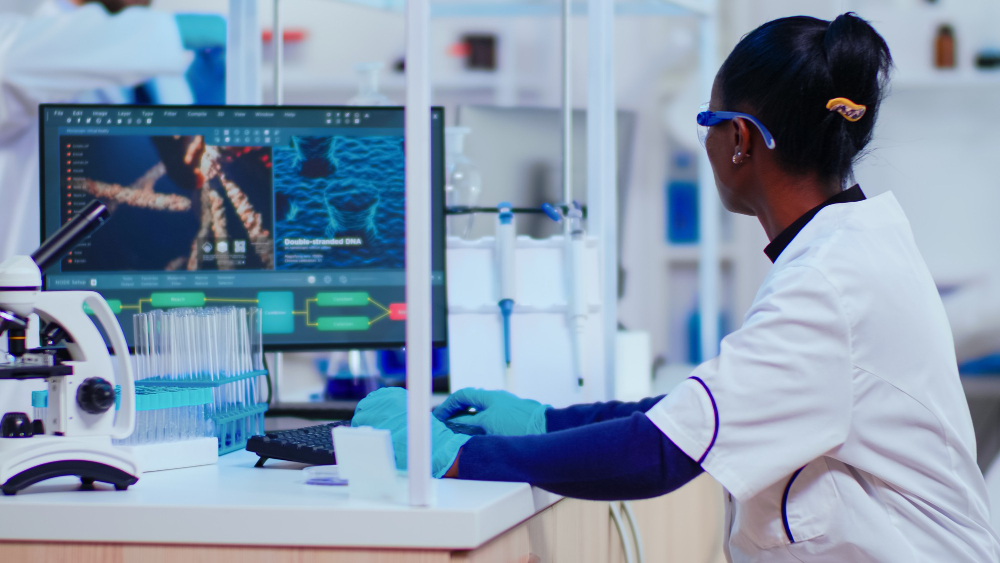
Early disease detection is one of the most important aspects of modern healthcare. Many diseases can develop gradually without causing noticeable symptoms, allowing health problems to progress unnoticed for a long time. Laboratory testing helps identify changes in the body at an early stage, giving healthcare professionals the opportunity to provide timely care and improve health outcomes.
Through blood tests, urine tests, genetic testing, and other laboratory examinations, doctors can detect warning signs, confirm diagnoses, and create effective treatment plans before conditions become more serious.
Early detection through testing is not only about finding diseases; it is also about prevention, better management, and improving quality of life.
What Is Early Disease Detection?
Early disease detection involves identifying a health condition or risk factor before it becomes severe or causes major complications. This is usually achieved through routine health screenings, laboratory tests, and medical examinations.
Many diseases can be easier to manage when discovered early because treatment can begin sooner and lifestyle changes can be introduced before significant damage occurs.
Examples of conditions that may benefit from early detection include:
- Diabetes.
- Kidney disease.
- Heart disease risks.
- Certain infections.
- Hormonal disorders.
- Blood disorders.
- Some cancers.
How Laboratory Testing Helps Detect Diseases Early
Laboratory tests provide measurable information about what is happening inside the body. They can identify abnormalities that may not be visible through physical symptoms alone.
Some ways testing supports early detection include:
- Detecting abnormal levels of substances in the blood.
- Identifying infections before symptoms worsen.
- Monitoring organ function.
- Detecting changes linked to disease risks.
- Evaluating genetic factors.
By analyzing biological samples such as blood, urine, and other body fluids, laboratories provide valuable information that helps doctors make informed decisions.
Benefits of Early Disease Detection Through Testing
1. Improves Treatment Outcomes
One of the biggest advantages of early detection is that it allows treatment to begin sooner. When diseases are identified at an early stage, healthcare professionals often have more options for managing the condition.
Early treatment can help:
- Slow disease progression.
- Prevent complications.
- Improve recovery chances.
- Reduce the impact of the illness on daily life.
The earlier a health problem is identified, the greater the opportunity to manage it effectively.
2. Prevents Serious Health Complications
Some diseases can cause significant damage if they remain undetected for a long period. Regular testing helps identify risks before they develop into severe health problems.
For example:
- Blood tests can detect high glucose levels before diabetes complications occur.
- Kidney tests can identify early changes in kidney function.
- Cholesterol testing can reveal cardiovascular risks.
- Infection testing can help prevent illnesses from becoming more severe.
Early action can reduce the chances of long-term health complications.
3. Helps Monitor Health Conditions
Testing is not only useful for finding diseases; it is also important for monitoring existing conditions.
Patients with chronic health problems may require regular laboratory tests to track changes and evaluate treatment effectiveness.
Examples include:
- Monitoring blood sugar levels in diabetes.
- Checking kidney function in kidney disease.
- Measuring hormone levels in endocrine disorders.
- Tracking infection response during treatment.
Regular monitoring allows doctors to make adjustments when necessary.
4. Encourages Preventive Healthcare
Early detection helps people become more aware of their health and make better decisions.
Test results may encourage individuals to:
- Improve their diet.
- Exercise regularly.
- Reduce unhealthy habits.
- Manage stress.
- Follow medical recommendations.
Preventive healthcare focuses on reducing health risks before they become serious problems.
5. Provides Peace of Mind
Regular health testing can provide reassurance by confirming that important body functions are within normal ranges.
For individuals with health concerns or family histories of certain diseases, testing can provide valuable information and help them take appropriate steps to protect their health.
Common Tests Used for Early Disease Detection
Blood Tests
Blood tests are among the most common tools for detecting health changes. They can provide information about:
- Blood cell levels.
- Blood sugar.
- Cholesterol.
- Organ function.
- Inflammation.
- Infections.
Examples include Complete Blood Count (CBC), blood glucose tests, and lipid profile tests.
Urine Tests
Urinalysis helps detect abnormalities related to:
- Kidney function.
- Urinary tract infections.
- Diabetes.
- Metabolic conditions.
Because urine contains substances filtered by the kidneys, it can provide useful information about overall health.
Hormonal Tests
Hormone testing helps identify imbalances that may affect:
- Metabolism.
- Growth.
- Reproduction.
- Energy levels.
DNA and Genetic Testing
Genetic testing analyzes DNA to identify inherited conditions, genetic risks, or biological information that may influence health.
Infection Screening Tests
Laboratory testing can identify bacteria, viruses, and other microorganisms responsible for infections, helping doctors provide appropriate treatment.
Who Should Consider Regular Disease Screening?
Everyone can benefit from understanding their health status, but regular screening is especially important for people who:
- Have a family history of certain diseases.
- Have existing medical conditions.
- Are at increased health risk due to lifestyle factors.
- Experience unusual symptoms.
- Want to maintain preventive healthcare habits.
The recommended tests and frequency depend on individual health needs and medical advice.
Why Choosing the Right Laboratory Matters
Accurate disease detection depends on reliable laboratory testing. A trusted laboratory should use proper testing procedures, qualified professionals, modern equipment, and quality control systems.
Incorrect results can affect medical decisions, which is why choosing a professional laboratory is essential.
Need accurate health screening and diagnostic testing? Explore our complete laboratory testing services to access reliable laboratory solutions for your healthcare needs.
Conclusion
Early disease detection through testing plays a major role in protecting health and preventing serious complications. Laboratory tests provide valuable information that helps doctors identify diseases early, monitor health conditions, and recommend appropriate treatments.
Making regular testing part of your healthcare routine allows you to take proactive steps toward better health and improved quality of life.
Want to learn more about laboratory testing, healthcare science, and medical analysis? Read more expert laboratory articles on our blog for practical guides and educational resources.
Stay connected with AllAnalysis for laboratory insights, health education, and scientific updates by following AllAnalysis on X and following us on Instagram. You can also subscribe to our YouTube channel for laboratory videos, research discussions, and educational content or visit our Google Business Profile to learn more about our services and read client reviews.
